

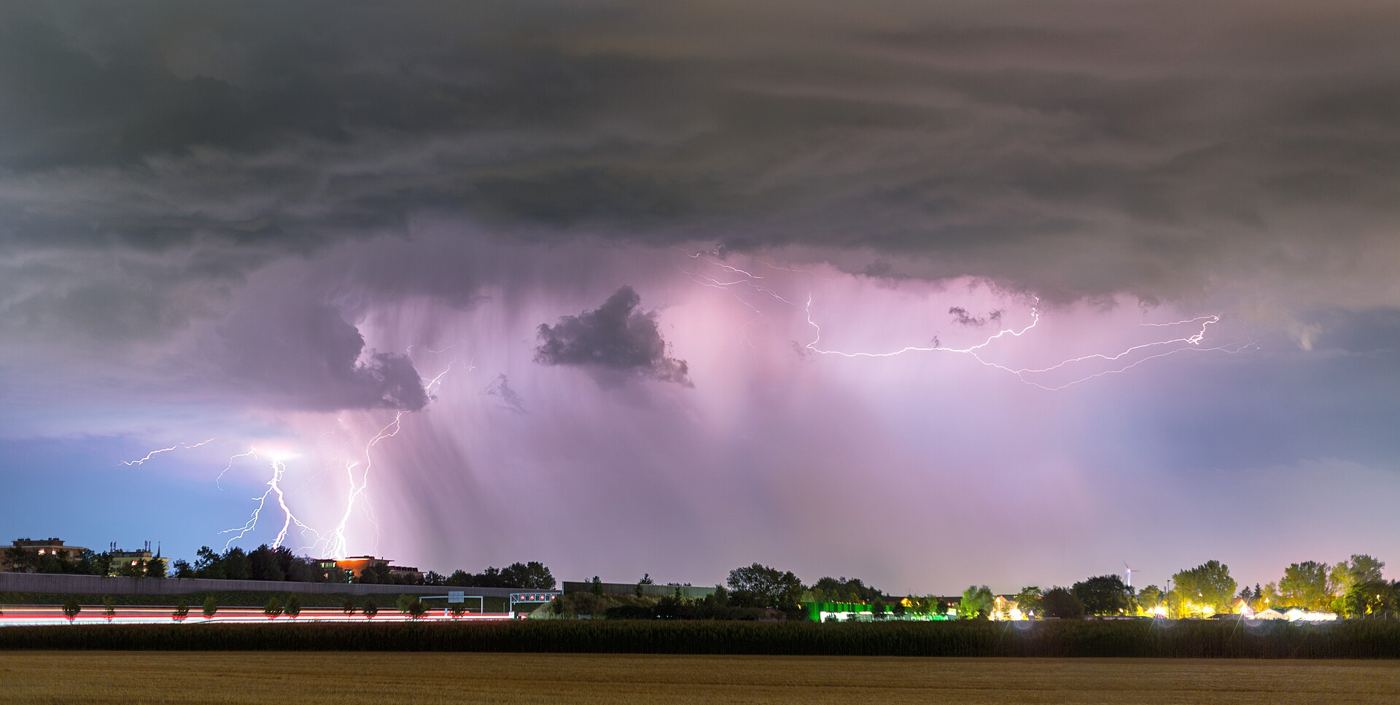
Lightning over the open ocean has become more frequent as sea surface temperatures rise, according to a new analysis of satellite records spanning more than two decades. Warmer water feeds more moisture and energy into the atmosphere, producing taller, more vigorous storm clouds that are more likely to generate electrical charges. The increase is clearest in tropical waters, where shipping lanes, fishing fleets and offshore platforms face a growing risk of strikes. Researchers say the trend is a useful indicator of how warming is changing storm behaviour, since lightning is sensitive to the strength of updraughts inside thunderclouds. The findings also matter for safety at sea, where a strike can damage navigation equipment and endanger crews far from help, and for climate science, since lightning produces nitrogen oxides that influence atmospheric chemistry.
What the Evidence Shows
The study used instruments aboard weather satellites that detect lightning flashes day and night, allowing scientists to compare ocean regions over many years without gaps. Regional differences are striking: some ocean basins show strong increases, while others show little change, reflecting shifts in wind patterns as well as warming. Forecasters are using the data to improve warnings for mariners, who need to know when to avoid the most intense cells. The researchers caution that lightning is only one measure of storm intensity, and that rainfall and wind trends must be studied alongside it. Still, the signal is consistent with basic physics, and the team expects ocean lightning to keep rising while sea temperatures climb, making it a phenomenon worth watching closely. The researchers add that better forecasting of ocean storms could also help airlines and shipping firms plan safer routes, reducing delays and fuel use on long crossings. Reporting and analysis from sources such as National Science Foundation track the same developments, and specialists following the rising ocean lightning strikes say the direction is now consistent across independent lines of evidence.
The Wider Context
The wider context is a research landscape in which replication and open data now decide reputations. Findings connected to the rising ocean lightning strikes are being checked by independent groups with shared datasets, and the teams involved publish their methods in full so rivals can test every step. That discipline is slower than a headline cycle, but it is why results in this area increasingly survive first contact with scrutiny.
What Happens Next
What happens next in the story of the rising ocean lightning strikes will be decided by follow-up work already under way: larger samples, longer observation and instruments that have not yet come online. The researchers involved are unusually united on one point, that the current results justify the next investment of time and money. Readers will not have to wait long for the first tests of that claim. You can follow related developments in our coverage of science.
There is a practical lesson in all of this for readers deciding what to do today. Start with the verified facts, be wary of anyone promising certainty, and prefer reversible steps while the evidence is still developing. Circumstances differ by country, income and personal situation, so general guidance should always be weighed against your own context before you act on it in any significant or lasting way.
