

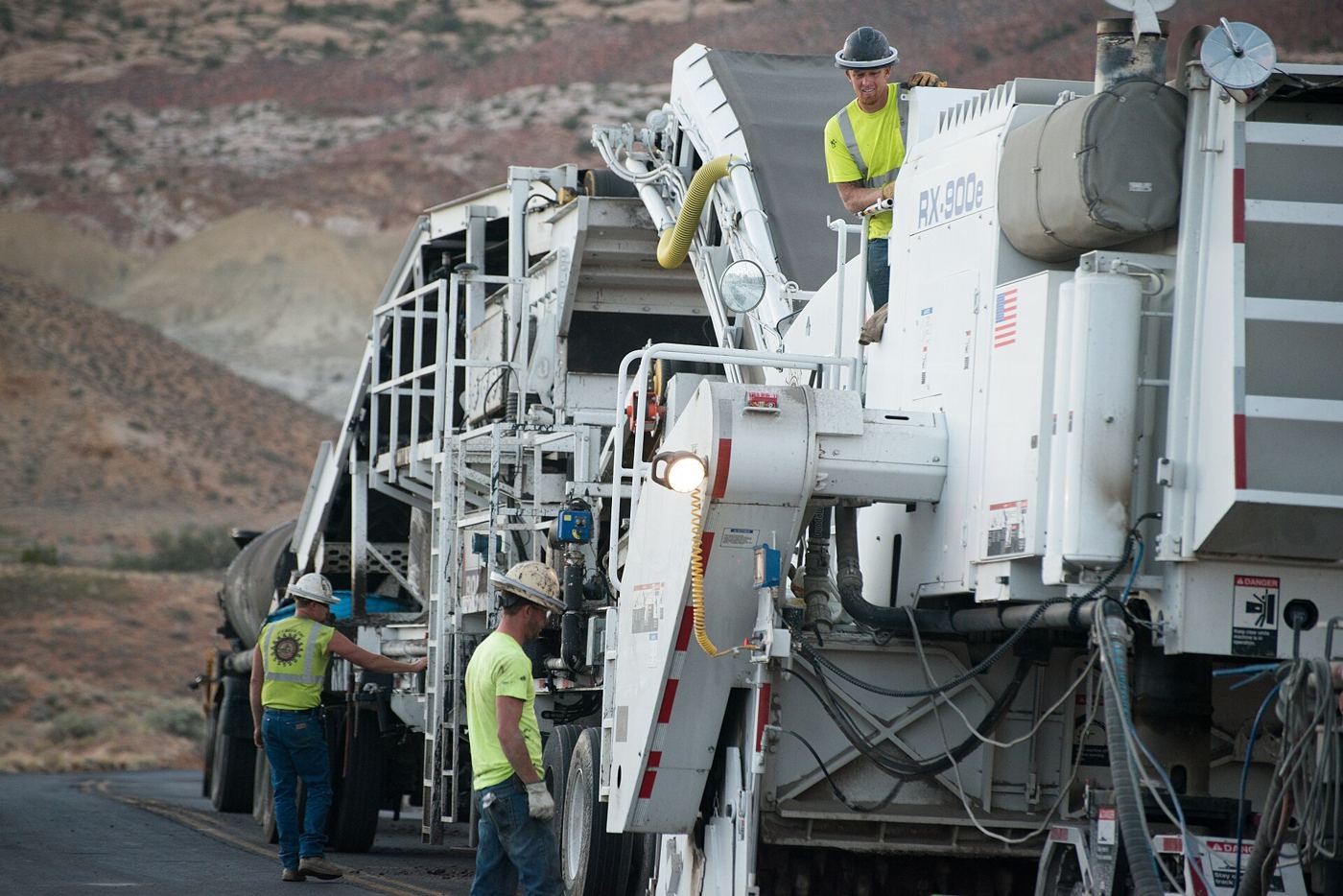
Ordinary asphalt absorbs heat from the sun and radiates it back through the day and night, making roads one of the hottest surfaces in a city. Materials scientists are now testing cool pavements, which use lighter-coloured aggregates, reflective coatings and more porous mixes to keep road surfaces several degrees cooler than conventional asphalt. Trials on city streets show the cooler surfaces reduce the temperature of the air just above the road, which matters for pedestrians, cyclists and anyone waiting at a bus stop. The materials also promise longer road life, since extreme heat softens asphalt and accelerates the cracking and rutting that leads to potholes. City engineers say the technology is still being refined, with questions about cost, durability and how the coatings perform under heavy traffic, but the early results have been encouraging enough for several cities to expand their trials. The trials are part of a wider effort by cities to cope with hotter summers, as heatwaves become more frequent and longer lasting.
What the Evidence Shows
The main obstacle is price, since cool pavement materials cost more than standard asphalt and city road budgets are already stretched. Engineers are targeting the most heat-exposed streets first, such as those in dense neighbourhoods with little shade, where the cooling benefit is greatest. Researchers are also studying whether cooler roads reduce the need for air conditioning in nearby buildings, which would add to the savings. Maintenance crews need new training, since the coatings must be applied correctly and repaired differently from ordinary surfaces. Despite the challenges, specialists say cool pavements are a practical piece of the wider effort to make cities livable in hotter summers, alongside trees, shade and better building design. For the workers laying the new surfaces, the difference is immediate: the road under their feet is noticeably cooler to stand on. The trials are being watched by cities in hotter climates, where cooler roads could also protect the health of outdoor workers who spend long hours on the asphalt. Reporting and analysis from sources such as National Science Foundation track the same developments, and specialists following the cool pavement road surface say the direction is now consistent across independent lines of evidence.
The Wider Context
The wider context is a research landscape in which replication and open data now decide reputations. Findings connected to the cool pavement road surface are being checked by independent groups with shared datasets, and the teams involved publish their methods in full so rivals can test every step. That discipline is slower than a headline cycle, but it is why results in this area increasingly survive first contact with scrutiny.
What Happens Next
What happens next in the story of the cool pavement road surface will be decided by follow-up work already under way: larger samples, longer observation and instruments that have not yet come online. The researchers involved are unusually united on one point, that the current results justify the next investment of time and money. Readers will not have to wait long for the first tests of that claim. You can follow related developments in our coverage of science.
There is a practical lesson in all of this for readers deciding what to do today. Start with the verified facts, be wary of anyone promising certainty, and prefer reversible steps while the evidence is still developing. Circumstances differ by country, income and personal situation, so general guidance should always be weighed against your own context before you act on it in any significant or lasting way.
