

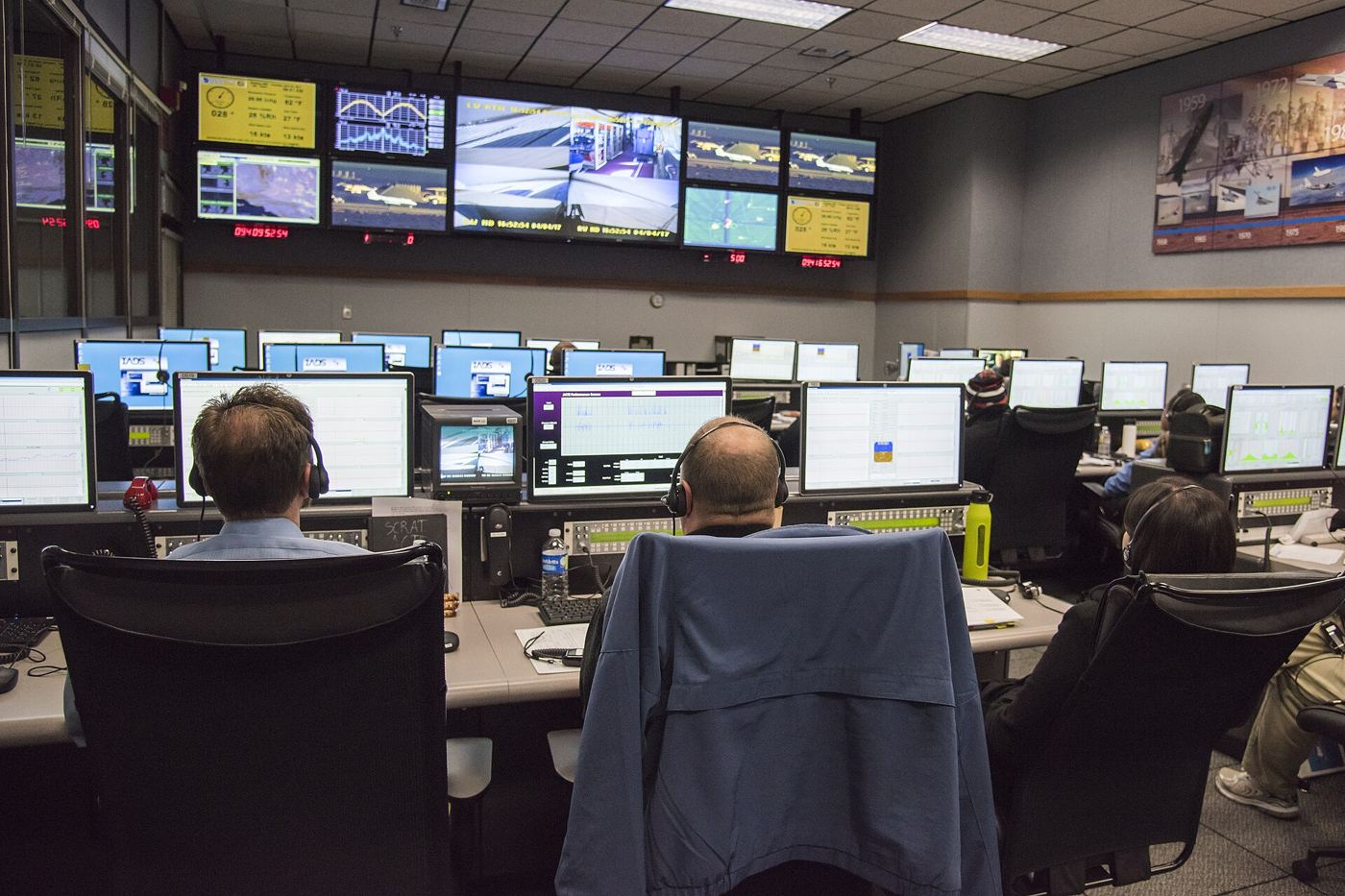
Behind every video stream, online shop and cloud document sits a building most people never see: a data centre. Inside, rows of servers hum in climate-controlled halls, processing requests and storing information for millions of users at once. Keeping that machinery running is the job of data centre engineers, who monitor temperatures, replace failing hardware and plan capacity so that a surge in demand does not bring services down. The work is physical as well as technical. Engineers walk the halls with diagnostic tools, swap out drives and memory, and trace faults through cables and cooling systems. Reliability is measured in nines, with the best facilities aiming for almost no downtime at all, because even a few minutes offline can cost a large customer dearly. Power and cooling dominate the design, since the servers generate enormous heat and the electricity bill is often the largest single cost. Most users never think about these buildings, yet almost everything they do online passes through one.
What the Evidence Shows
Data centres are changing fast as demand for computing grows. New facilities are being built near sources of cheap renewable power, and some use the waste heat from their servers to warm nearby homes and offices. Engineers are experimenting with liquid cooling, where coolant flows directly over hot components, and with servers designed to be repaired by swapping whole modules rather than individual parts. Automation is taking over routine checks, with robots and sensors monitoring conditions that once required constant human patrols. Yet the human role remains central, because the hardest problems, such as a fault that appears only under heavy load, still need experienced judgement. Industry experts say the challenge ahead is sustainability, as the world’s appetite for computing keeps growing. The data centres of the future, they argue, will need to deliver more computing with less power and less water, and the engineers who run them will be at the centre of that change. Reporting and analysis from sources such as IEEE Spectrum track the same developments, and specialists following the data centre engineers say the direction is now consistent across independent lines of evidence.
The Wider Context
Adoption of the data centre engineers follows a familiar pattern with an unfamiliar speed. Early users tolerate rough edges in exchange for advantage, mainstream users arrive when the tool disappears into existing workflows, and the market consolidates around whoever made that transition feel effortless. Vendors are racing less on raw performance now than on integration, support and trust.
What Happens Next
The realistic forecast for the data centre engineers is steady integration rather than sudden replacement: embedded in products people already use, improving in increments, and regulated in proportion to its reach. The companies and institutions that plan on that basis, training staff and redesigning processes instead of chasing launches, are the ones the adoption data tends to vindicate. You can follow related developments in our coverage of technology.
It is also worth remembering how quickly the picture in this area has changed before. Positions that looked settled a few years ago have been revised as new data arrived, and the same humility is appropriate now. The strongest coverage of this subject, and the most useful advice, tends to come from sources that update their views openly when the facts move, rather than defending an earlier position long after it has stopped fitting the evidence available.
