

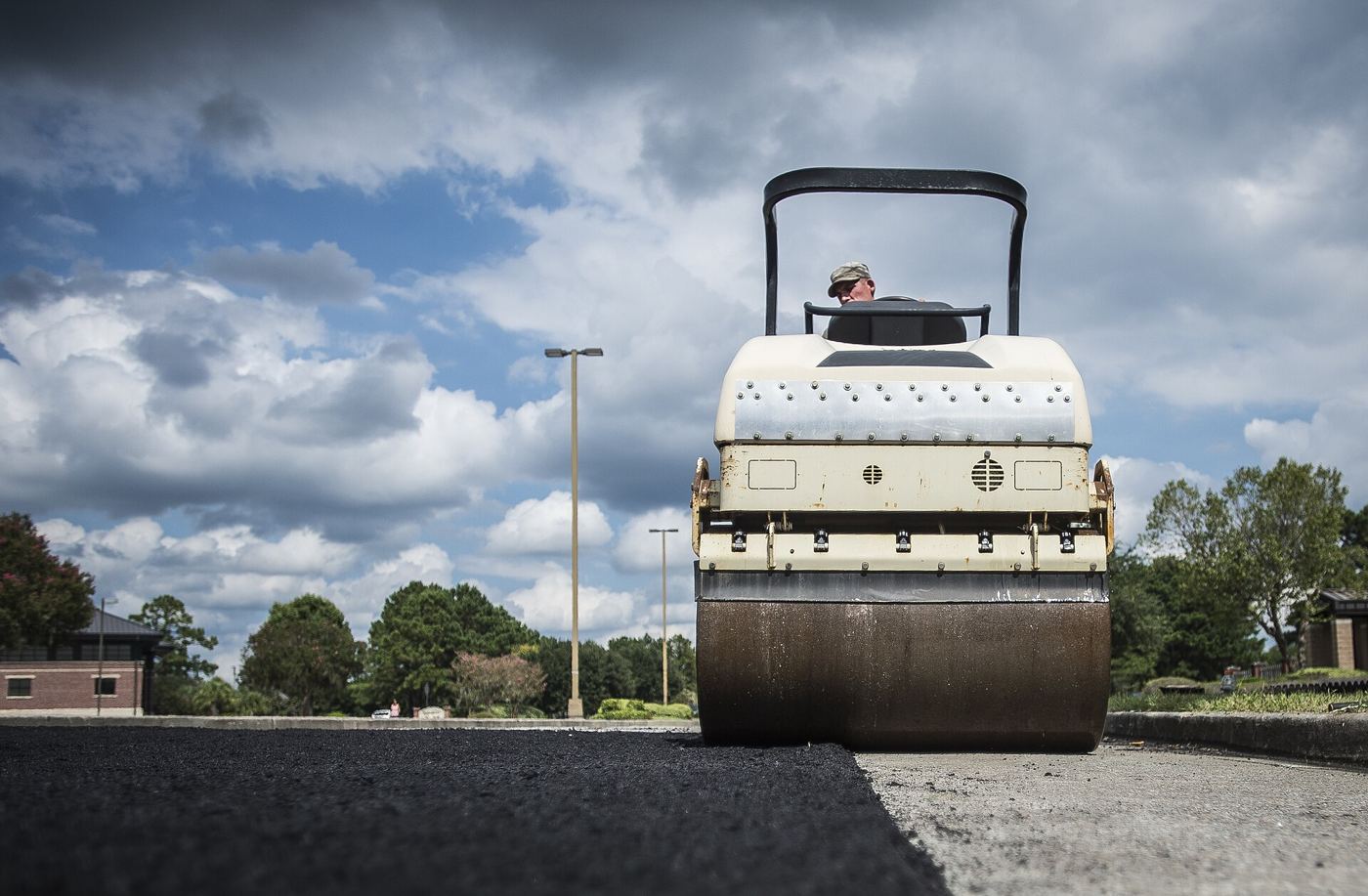
Road crews are working extended shifts to complete resurfacing on worn streets and highways before winter weather makes the job harder and damage worse. Fresh asphalt laid now seals cracks that would otherwise fill with water, freeze, and break the surface apart into potholes. Councils and highway agencies publish closure schedules in advance, but drivers still face delays where several major routes are repaired at once. Officials ask motorists to slow down through work zones, where loose gravel and narrowed lanes create hazards for crews working only metres from moving traffic. Authorities publish interactive maps showing planned works and expected delays, encouraging drivers to allow extra time, choose alternative routes, or travel outside the busiest construction periods where possible.
What the Evidence Shows
Engineers prioritise routes using condition surveys, traffic volumes, and reports from residents, focusing first on surfaces close to failure. Newer asphalt mixes incorporating recycled material are being used on some projects, reducing costs and waste when quality standards can be met. Residents near overnight work often endure noise and vibration, prompting authorities to notify households early and limit the loudest operations where possible. Once temperatures fall, emergency patching replaces planned resurfacing until spring. Transport departments say money spent on timely resurfacing is far cheaper than rebuilding roads that have been allowed to deteriorate completely. Crews ask the public for patience during the final push, noting that a few weeks of disruption now can prevent months of pothole repairs, vehicle damage, and closures through the hardest winter months. Reporting and analysis from sources such as Associated Press track the same developments, and specialists following pre winter road resurfacing programme say the direction is now consistent across independent lines of evidence.
The Wider Context
Regional and local reporting on pre winter road resurfacing programme often tells a different story from national coverage, because the effects land unevenly: one town’s pilot is another’s distant proposal. Analysts who follow the subject full-time read the local data first, arguing that national averages conceal the variation that decides whether a policy or a project deserves to spread.
What Happens Next
The longer story of pre winter road resurfacing programme is still being written by the people closest to it, whose experience rarely matches the earliest predictions of either supporters or critics. Reporting will continue to follow the evidence as it accumulates, including where it complicates today’s account. That is the deal serious coverage makes with its readers, and it holds for this subject as for any other. You can follow related developments in our coverage of news.
It is also worth remembering how quickly the picture in this area has changed before. Positions that looked settled a few years ago have been revised as new data arrived, and the same humility is appropriate now. The strongest coverage of this subject, and the most useful advice, tends to come from sources that update their views openly when the facts move, rather than defending an earlier position long after it has stopped fitting the evidence available.
