

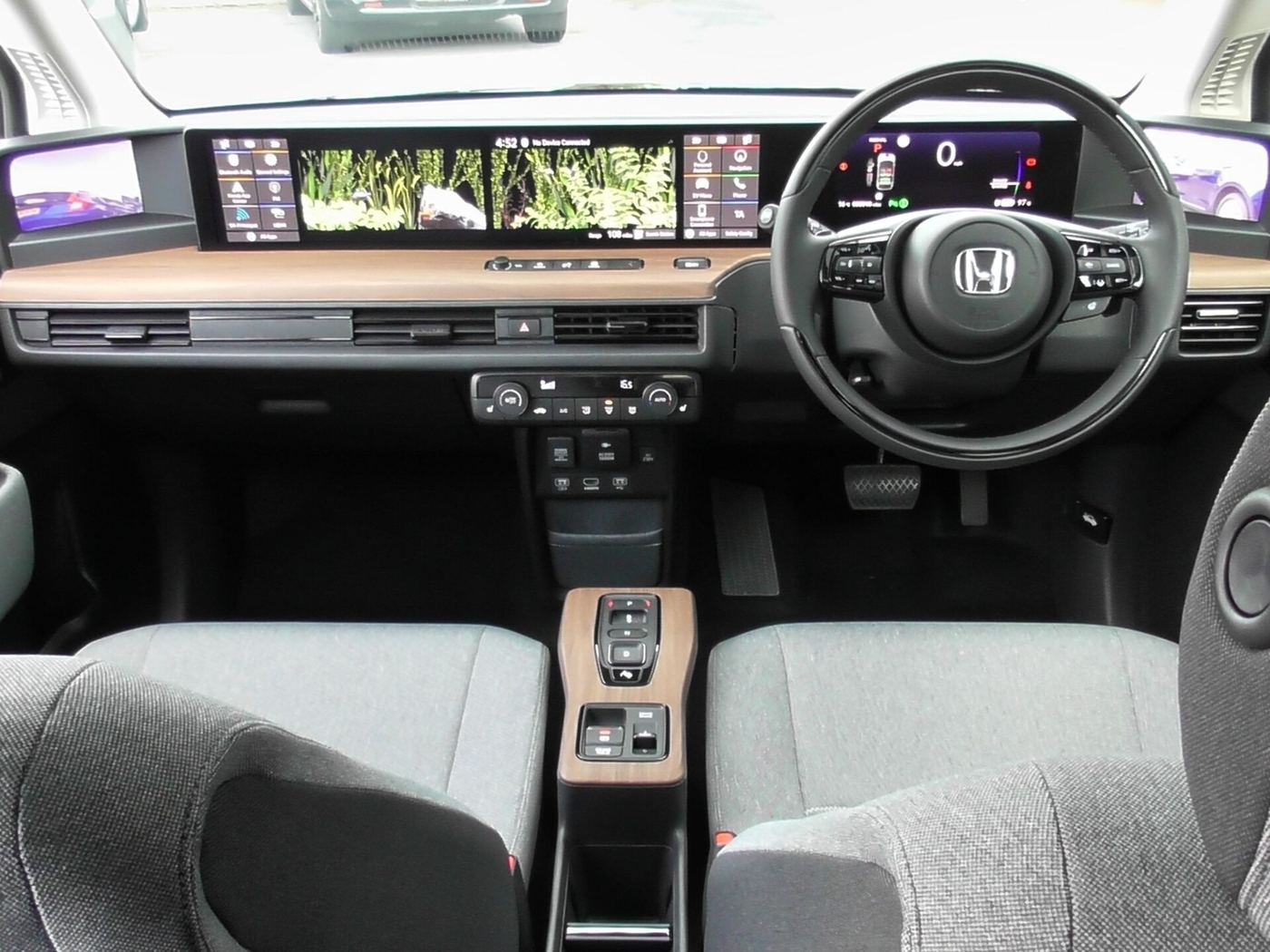
Electric car dashboards are learning to warn drivers about fading battery health far earlier, turning a once-hidden decline into clear, useful information. Modern battery management systems track every charge cycle, temperature excursion and fast-charging session across thousands of individual cells. Software now compares that history against models of normal ageing and flags unusual patterns long before range loss becomes obvious on the road. Instead of a vague warning light, drivers increasingly see an honest estimate of remaining capacity, much like the battery health percentage familiar from phones. That transparency matters when cars change hands, because the battery is the most expensive component and its condition largely decides a used electric car’s value. Manufacturers are also using the same data to schedule preventative checks and to honour warranties fairly, distinguishing genuine defects from expected wear. Gentle guidance is built in: the car may suggest avoiding repeated fast charging during a heatwave, or recommend charging to eighty percent for daily use. Done well, these warnings build confidence in electric ownership by removing the fear that an invisible, costly problem is developing unnoticed beneath the floor.
What the Evidence Shows
The battery health warnings rely on distinguishing real degradation from temporary effects that worry drivers unnecessarily. Cold weather, for example, reduces available range sharply but harms nothing permanently, and good dashboards now explain the difference rather than alarming owners each winter. Fleet operators were early adopters of detailed health reporting, because predicting which vehicles need attention keeps vans and taxis earning instead of waiting for repairs. Independent testing services are emerging too, plugging into vehicles to produce certified health reports for buyers, sellers and insurers. Battery scientists say the flood of real-world data is improving their models faster than laboratory cycling alone ever could, revealing how differently packs age in hot, cold, urban and rural use. Some manufacturers now design packs so that weak modules can be replaced individually, guided precisely by the health data the car collects. Recycling firms benefit as well, grading retired packs for second lives in stationary storage where demands are gentler. Clear information, it turns out, supports the entire life of a battery, from first commute to final reuse, and dashboards are where that information meets the driver. Reporting and analysis from sources such as IEEE Spectrum track the same developments, and specialists following the battery health warnings say the direction is now consistent across independent lines of evidence.
The Wider Context
Adoption of the battery health warnings follows a familiar pattern with an unfamiliar speed. Early users tolerate rough edges in exchange for advantage, mainstream users arrive when the tool disappears into existing workflows, and the market consolidates around whoever made that transition feel effortless. Vendors are racing less on raw performance now than on integration, support and trust.
What Happens Next
The realistic forecast for the battery health warnings is steady integration rather than sudden replacement: embedded in products people already use, improving in increments, and regulated in proportion to its reach. The companies and institutions that plan on that basis, training staff and redesigning processes instead of chasing launches, are the ones the adoption data tends to vindicate. You can follow related developments in our coverage of technology.
It is also worth remembering how quickly the picture in this area has changed before. Positions that looked settled a few years ago have been revised as new data arrived, and the same humility is appropriate now. The strongest coverage of this subject, and the most useful advice, tends to come from sources that update their views openly when the facts move, rather than defending an earlier position long after it has stopped fitting the evidence available.
