

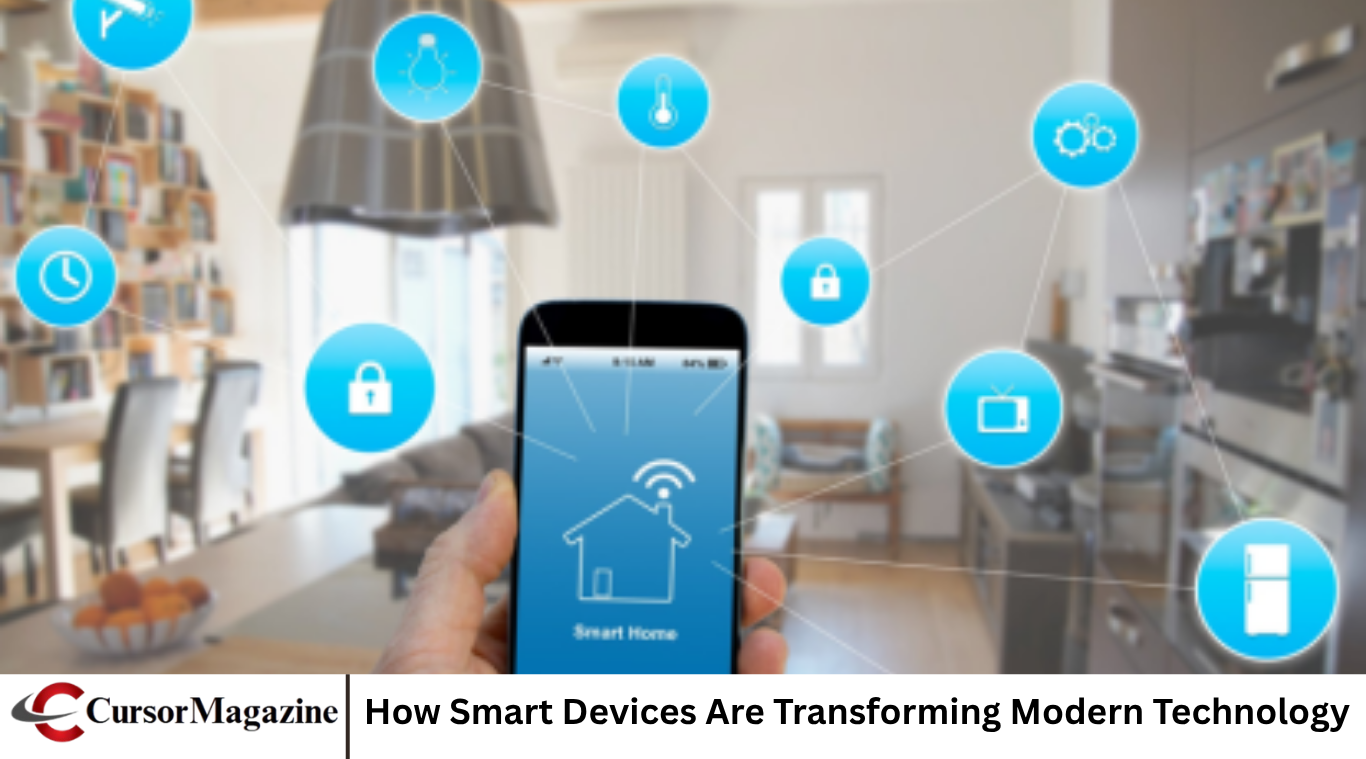
Smart devices have become an important part of modern technology. Smartphones, smartwatches, smart televisions, wireless earbuds, smart home appliances, security systems, and other connected products are changing how people interact with technology every day. These devices are no longer simply electronic tools. Many can understand user preferences, connect with other devices, process information, and perform tasks automatically.
The rapid development of artificial intelligence, wireless connectivity, cloud computing, and advanced sensors is making smart devices more capable than ever. In 2026, smart technology is becoming increasingly integrated into everyday life, creating more convenient digital experiences while also raising important questions about privacy, security, cost, and responsible use.
What Are Smart Devices?
Smart devices are electronic products that can connect to networks, process information, communicate with other devices, or perform tasks automatically. Many smart devices use sensors, software, artificial intelligence, and internet connectivity to provide advanced functions.
A smartphone is one of the most familiar examples. It can communicate with other devices, access online services, recognize voice commands, use location information, and personalize experiences based on user behavior.
Other examples include smart speakers, watches, cameras, televisions, thermostats, appliances, vehicles, and fitness trackers.
Why Smart Devices Are Becoming Popular
One of the main reasons smart devices are becoming popular is convenience. They can automate tasks that previously required manual effort.
For example, a smart thermostat can adjust temperature settings, while a smart speaker can control compatible devices using voice commands. A smartwatch can provide notifications without requiring users to check their phones constantly.
As devices become easier to use, more people are incorporating them into their daily routines.
The Role of Artificial Intelligence
Artificial intelligence is making smart devices significantly more useful. AI allows devices to understand patterns, recognize speech, analyze information, and provide personalized responses.
Modern smartphones can use AI to improve photography, organize information, translate languages, and assist with writing.
Smart home devices can also use AI to understand routines and provide automated recommendations.
The combination of AI and connected hardware is one of the biggest reasons smart devices are becoming more advanced.
Smartphones as Central Smart Devices
Smartphones remain at the center of the smart device ecosystem. They can connect to watches, headphones, cars, televisions, cameras, home appliances, and other products.
A modern smartphone can function as a communication device, camera, navigation system, entertainment platform, payment tool, productivity assistant, and control center for connected devices.
As AI becomes more deeply integrated into smartphones, these devices may become even more capable of understanding what users need.
Smartwatches and Wearable Technology
Smartwatches have expanded beyond simple timekeeping. Modern wearable devices can display notifications, track activity, monitor certain health-related measurements, support communication, and provide navigation features.
Fitness trackers and smart rings are also becoming more sophisticated.
The future of wearable technology may involve smaller sensors, improved battery life, better personalization, and more intelligent analysis of collected information.
Smart Home Technology
Smart homes are one of the clearest examples of how connected technology can change everyday life.
Smart lights, thermostats, cameras, locks, speakers, appliances, and entertainment systems can communicate through connected networks.
Users can control many devices through smartphones or voice commands. Some systems can also automate activities based on schedules, preferences, or sensor information.
Smart Appliances
Home appliances are becoming increasingly intelligent. Smart refrigerators, washing machines, ovens, air conditioners, and other appliances can connect to networks and provide additional controls.
Some can send notifications, monitor usage, or recommend settings.
Although not every household needs smart appliances, their popularity demonstrates how connectivity is expanding into traditionally simple products.
Smart Security Systems
Smart security devices are changing home protection. Connected cameras, doorbells, locks, motion sensors, and alarm systems can provide remote monitoring and notifications.
Users can receive alerts when unusual activity is detected and check connected cameras remotely.
However, security devices must themselves be protected because unauthorized access could create serious privacy risks.
Smart TVs and Entertainment
Smart televisions have transformed home entertainment by connecting traditional television screens with internet services.
Users can access streaming platforms, applications, games, video calls, and other digital services directly from their televisions.
AI can also improve content recommendations by analyzing viewing patterns and preferences.
Wireless Audio Devices
Wireless earbuds and smart headphones have become increasingly advanced. Modern devices can offer noise cancellation, voice assistants, touch controls, improved audio processing, and seamless connections with smartphones.
AI and advanced sensors can make audio devices more responsive to their surroundings.
Future products may become even better at adapting sound according to the user’s environment.
Smart Cars
Vehicles are also becoming connected smart devices. Modern cars can include navigation systems, connected entertainment, driver-assistance features, voice controls, smartphone integration, and software-based updates.
Some vehicles can automatically detect surrounding objects and assist with tasks such as parking or maintaining lane position.
As technology develops, cars may become increasingly similar to mobile computing platforms.
Smart Cities
The concept of smart cities extends connected technology beyond individual homes.
Cities can use sensors and connected systems to monitor traffic, energy consumption, public transportation, waste management, and infrastructure.
Artificial intelligence can analyze this information and help authorities identify patterns or respond to problems more efficiently.
Smart city technology could improve urban services, although privacy and data protection remain important concerns.
Faster Connectivity
Smart devices depend heavily on reliable connectivity. Advances in wireless networks allow devices to communicate more quickly and support more complex applications.
Faster connectivity can improve smart home systems, wearable devices, connected vehicles, cloud services, and other technologies.
As networks improve, more everyday products can become connected without requiring complicated setups.
The Internet of Things
The Internet of Things refers to a large network of physical devices that can collect, exchange, and process information.
Smart homes are one example, but the concept also includes industrial equipment, vehicles, medical devices, agricultural systems, and city infrastructure.
As more products become connected, the Internet of Things is creating a much larger digital ecosystem.
Cloud Computing and Smart Devices
Cloud computing plays an important role in many smart devices. Instead of processing all information locally, devices can connect to remote servers for storage, analysis, and additional services.
Cloud connectivity allows users to access information across multiple devices.
However, cloud-dependent systems also require strong security because personal information may be transmitted and stored online.
Smart Devices in Healthcare
Healthcare technology is benefiting from connected devices. Wearables can collect information related to activity, sleep, heart rate, and other measurements.
Connected medical devices can also help healthcare professionals monitor certain information remotely.
These technologies can support healthcare, but users should understand that consumer devices are not necessarily substitutes for professional medical evaluation.
Smart Devices in Education
Smart technology is changing education by providing students and teachers with more connected learning tools.
Tablets, laptops, interactive displays, educational applications, and AI-powered software can make learning more flexible.
Students can access educational materials from different locations, while teachers can use digital tools to organize lessons and monitor progress.
Smart Devices in the Workplace
Businesses are using connected devices to improve productivity and communication.
Smart meeting systems, connected computers, wearable devices, sensors, and automated equipment can help organizations collect information and streamline operations.
Remote and hybrid work have also increased reliance on connected technology.
Energy Efficiency
Smart technology can help reduce unnecessary energy consumption. Smart thermostats can adjust heating and cooling, while connected lighting systems can turn lights off when they are not needed.
Smart energy monitoring systems can also help users understand their consumption patterns.
As energy costs and environmental concerns increase, efficient smart technology may become more valuable.
Personalization
Personalization is one of the most important features of smart technology. Devices can learn user preferences and provide customized experiences.
A streaming service may recommend content based on viewing history, while a smartphone can organize notifications according to user behavior.
AI can make this personalization increasingly sophisticated.
Privacy Concerns
The growing number of smart devices also creates privacy concerns. Many devices collect information about users, including location, activity, preferences, voice commands, and usage patterns.
Users should understand what information their devices collect and how it is processed.
Checking privacy settings and limiting unnecessary permissions can help reduce potential risks.
Cybersecurity Risks
Connected devices can become targets for cybercriminals. Weak passwords, outdated software, insecure networks, and poor security practices can create vulnerabilities.
Users should update devices regularly, use strong authentication, and purchase connected products from reputable manufacturers.
Security should be considered before adding a new device to a home or business network.
The Cost of Smart Technology
Smart devices are available at many price levels, but advanced products can be expensive.
Consumers should consider whether a smart feature provides meaningful value before purchasing a product.
A device does not necessarily become better simply because it has internet connectivity or artificial intelligence.
The Environmental Impact
The increasing number of electronic devices also creates environmental concerns. Manufacturing electronics requires resources and energy, while discarded devices contribute to electronic waste.
Consumers can reduce their environmental impact by keeping devices longer, repairing products when possible, recycling electronics properly, and avoiding unnecessary upgrades.
Manufacturers also have an important role in developing more durable and energy-efficient products.
The Future of Smart Devices
Smart devices are likely to become more integrated and intelligent. Instead of operating independently, devices may increasingly communicate with one another and share information.
A smartphone could act as the central control point for a home, vehicle, wearable devices, and other connected products.
AI could make these systems more proactive, allowing them to predict user needs and automate routine activities.
Will Smart Devices Replace Traditional Technology?
Smart devices are unlikely to completely replace traditional technology. Instead, many traditional products are gradually gaining smart features.
A television becomes a smart TV, a watch becomes a smartwatch, and a home security system becomes connected to the internet.
The difference is that these products can now communicate, process information, and respond to users in ways that were previously impossible.
Frequently Asked Questions
What are smart devices?
Smart devices are electronic products that can connect to networks, process information, communicate with other devices, or perform tasks automatically using software, sensors, and connectivity.
How are smart devices changing modern technology?
Smart devices are making technology more connected, automated, personalized, and convenient. They are changing smartphones, homes, vehicles, workplaces, entertainment, healthcare, and many other areas.
Are smart devices safe to use?
Smart devices can be safe when properly configured and updated. Users should use strong passwords, enable available security features, update software, and review privacy settings.
What is the future of smart devices?
The future is likely to include more intelligent devices that communicate with one another, use AI for personalization, automate routine tasks, and provide more connected experiences.
Do smart devices have privacy risks?
Yes. Many smart devices collect information about users and their activities. Understanding privacy settings and limiting unnecessary data collection can help users maintain greater control over their information.
Conclusion
Smart devices are transforming modern technology by bringing artificial intelligence, connectivity, automation, and personalization into everyday products. From smartphones and smartwatches to connected homes, vehicles, appliances, and security systems, these devices are changing how people interact with technology.