

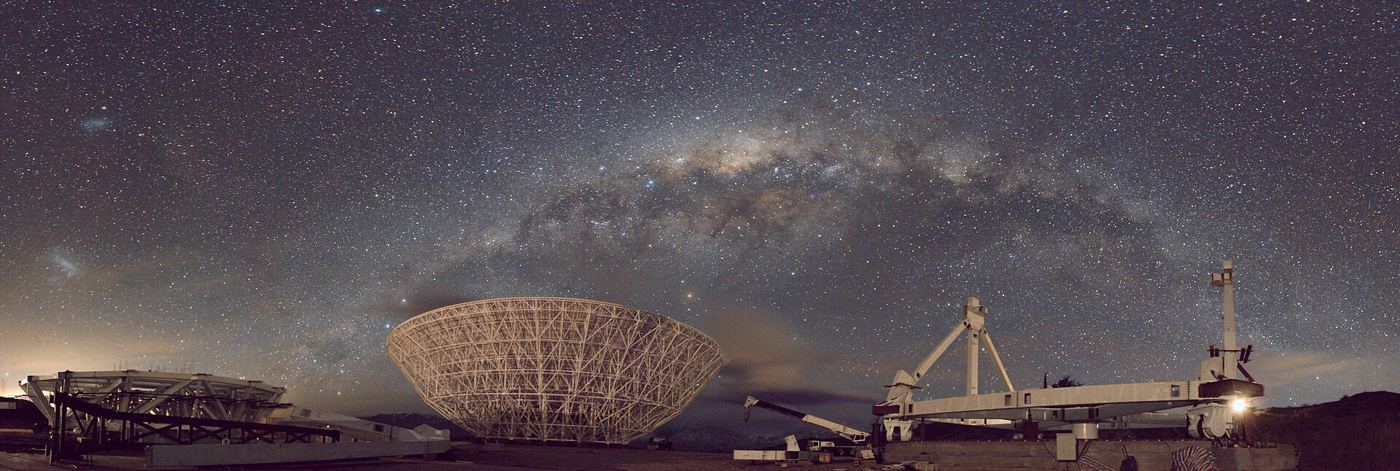
In 2007, astronomers examining old telescope data found something nobody expected: a burst of radio waves from deep space that lasted only a few thousandths of a second yet carried more energy than hundreds of millions of suns. These fast radio bursts have puzzled scientists ever since. Thousands have now been detected, some repeating at regular intervals and others flashing once and never returning. They appear to come from distant galaxies, and their brevity means they must be produced by something small and extraordinarily energetic. Leading suspects include magnetars, the collapsed remains of stars with magnetic fields trillions of times stronger than Earth’s, which have been caught producing similar bursts closer to home. Some bursts repeat in a pattern, flashing every few days like a lighthouse, while others arrive once and vanish, leaving astronomers with only a rough direction to search. The repeating ones have been the most useful, since telescopes can wait and watch for the next flash.
What the Evidence Shows
The bursts are useful as well as mysterious. As the radio waves travel across billions of light years, they pass through the thin gas between galaxies, and the way they are slowed and scattered reveals how much ordinary matter lies hidden in that space. Astronomers are building new telescopes that can catch hundreds of bursts a year and pinpoint their host galaxies, which should finally reveal what makes them. Some researchers hope the bursts will also test the laws of physics under extreme conditions. For now, each new detection adds a piece to a puzzle that has resisted explanation for nearly two decades. The next generation of radio telescopes will watch huge areas of sky at once, catching bursts that older instruments would have missed entirely. Astronomers expect the flood of new detections to settle the debate within a few years, as the statistics reveal which sources can explain them all. Reporting and analysis from sources such as National Science Foundation track the same developments, and specialists following the mysterious fast radio bursts say the direction is now consistent across independent lines of evidence.
The Wider Context
The wider context is a research landscape in which replication and open data now decide reputations. Findings connected to the mysterious fast radio bursts are being checked by independent groups with shared datasets, and the teams involved publish their methods in full so rivals can test every step. That discipline is slower than a headline cycle, but it is why results in this area increasingly survive first contact with scrutiny.
What Happens Next
What happens next in the story of the mysterious fast radio bursts will be decided by follow-up work already under way: larger samples, longer observation and instruments that have not yet come online. The researchers involved are unusually united on one point, that the current results justify the next investment of time and money. Readers will not have to wait long for the first tests of that claim. You can follow related developments in our coverage of science.
There is a practical lesson in all of this for readers deciding what to do today. Start with the verified facts, be wary of anyone promising certainty, and prefer reversible steps while the evidence is still developing. Circumstances differ by country, income and personal situation, so general guidance should always be weighed against your own context before you act on it in any significant or lasting way.
