

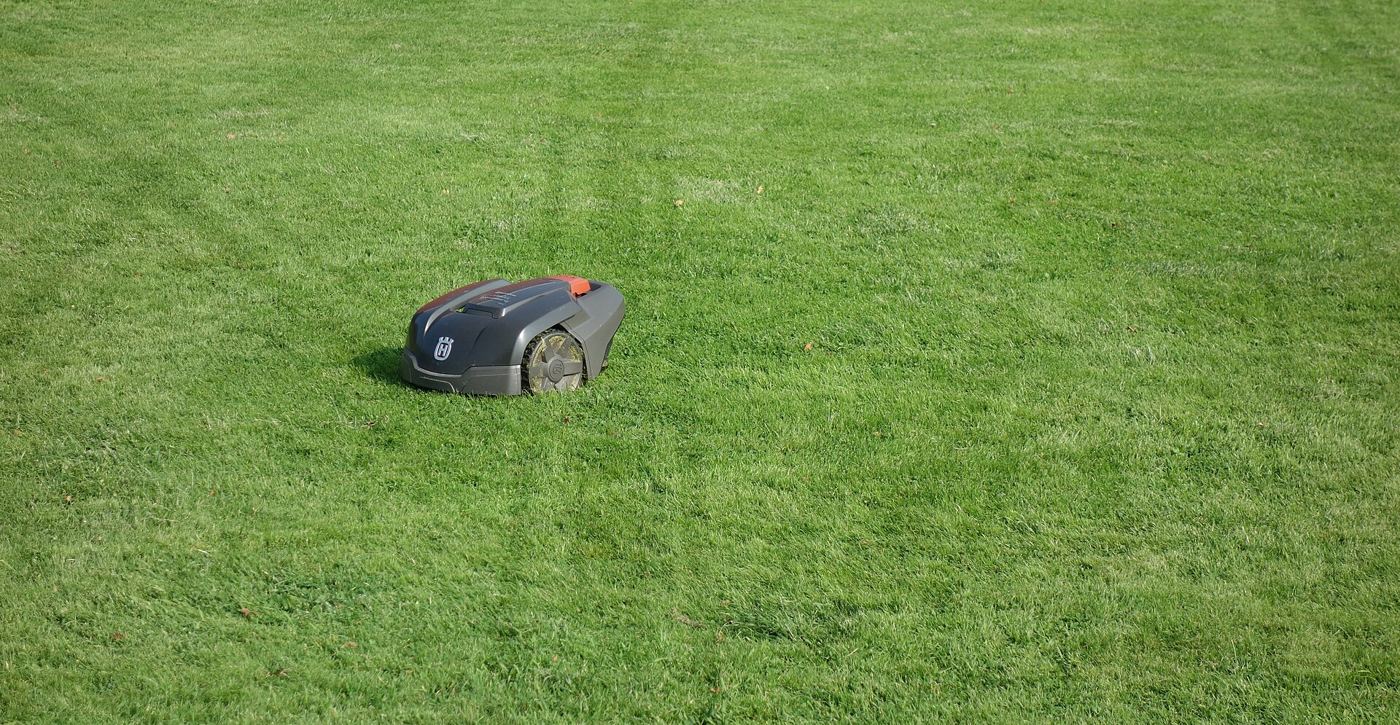
Mowing the lawn is a weekend chore that many homeowners would gladly give up, and a growing number are handing it to a robot. A robot lawn mower is a low, quiet machine that trims the grass on its own, wandering the garden in a pattern and returning to its charging dock when the battery runs low. Unlike a traditional mower that cuts the grass once a week, the robot trims a little every day, leaving fine clippings that fall between the blades and feed the soil. Most models work within a boundary wire buried at the edge of the lawn or a GPS map of the garden, and they stop their blades the moment they are lifted or tipped. Owners say the lawn looks better than ever, since the constant light trimming keeps it even and dense, and the machine works in the rain and at night without complaint. The mowers are quiet enough to run while children play nearby.
What the Evidence Shows
Choosing a robot mower comes down to the size and shape of the garden. Small models suit a flat lawn of a few hundred square metres, while larger ones handle steep slopes, narrow passages and lawns of several thousand square metres. Installation takes some effort, since the boundary wire must be pegged around flower beds, trees and paths, though newer models use cameras and GPS instead of wire and map the garden themselves. The machines need little maintenance beyond cleaning the blades and replacing them a few times a year, and they use far less energy than a petrol mower. Critics note that they struggle with long wet grass and cannot edge the lawn, so owners still need a strimmer for the borders. Even so, sales keep growing, and for many homeowners the robot has turned the weekly mow into a task they no longer think about. Reporting and analysis from sources such as IEEE Spectrum track the same developments, and specialists following the robot lawn mowers trimming gardens on their own say the direction is now consistent across independent lines of evidence.
The Wider Context
Adoption of the robot lawn mowers trimming gardens on their own follows a familiar pattern with an unfamiliar speed. Early users tolerate rough edges in exchange for advantage, mainstream users arrive when the tool disappears into existing workflows, and the market consolidates around whoever made that transition feel effortless. Vendors are racing less on raw performance now than on integration, support and trust.
What Happens Next
The realistic forecast for the robot lawn mowers trimming gardens on their own is steady integration rather than sudden replacement: embedded in products people already use, improving in increments, and regulated in proportion to its reach. The companies and institutions that plan on that basis, training staff and redesigning processes instead of chasing launches, are the ones the adoption data tends to vindicate. You can follow related developments in our coverage of technology.
It is also worth remembering how quickly the picture in this area has changed before. Positions that looked settled a few years ago have been revised as new data arrived, and the same humility is appropriate now. The strongest coverage of this subject, and the most useful advice, tends to come from sources that update their views openly when the facts move, rather than defending an earlier position long after it has stopped fitting the evidence available.
