

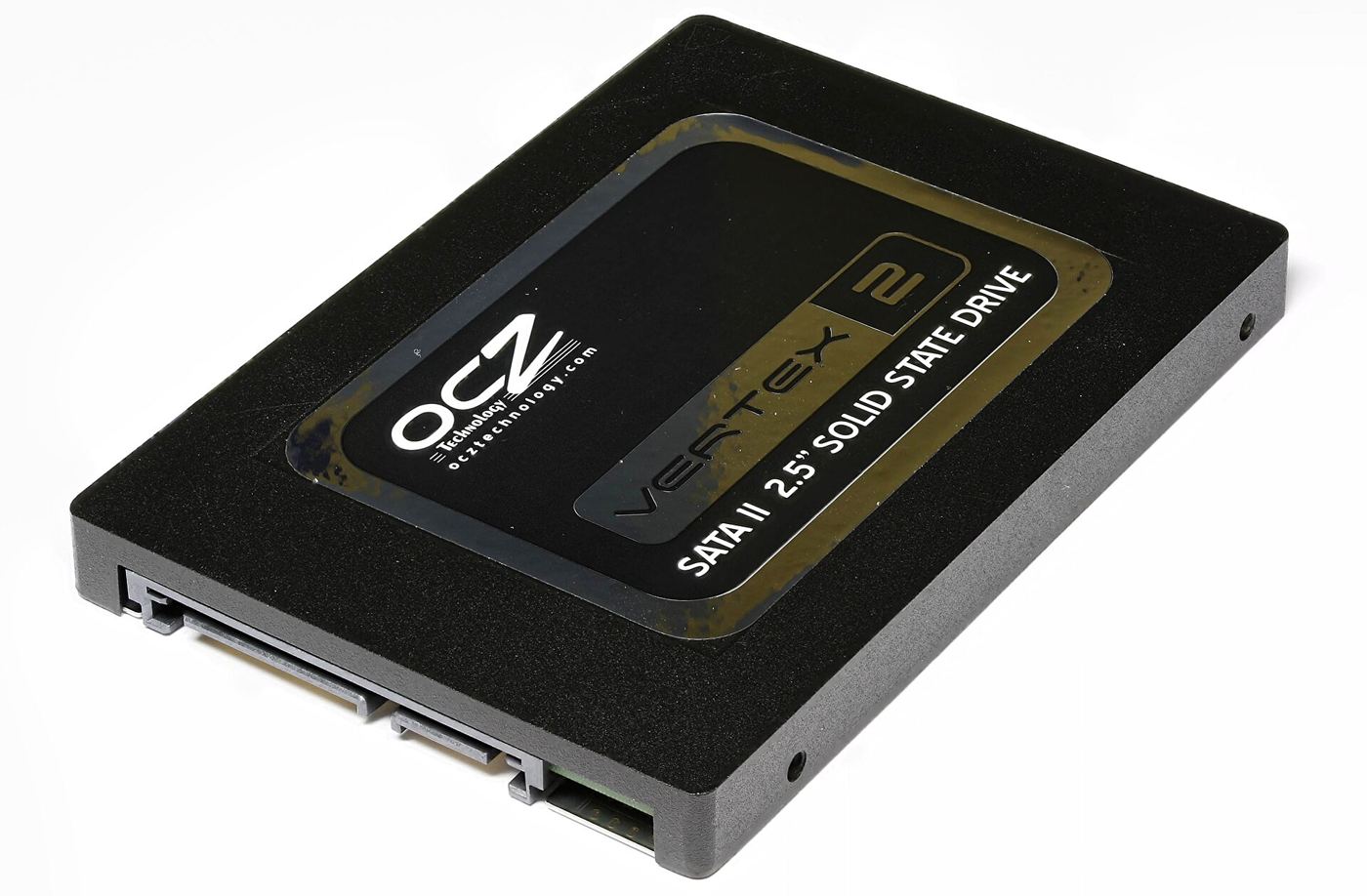
Open a modern laptop and you will likely find no spinning disk inside. In its place sits a solid-state drive, a small slab of memory chips that stores data with no moving parts at all. The change has transformed how computers feel to use. Laptops now start in seconds rather than minutes, programs open almost instantly and files copy far faster than they did on old hard drives. The difference comes from the way the two technologies work. A hard drive stores data on a spinning platter read by a moving arm, which must physically travel to find each file, while a solid-state drive reads data electronically from any location at once. That speed comes with other benefits too: silent operation, better resistance to drops and knocks, and lower power use. Prices have fallen steadily, making solid-state storage standard even in budget machines. For most users, the upgrade is the single biggest speed improvement a computer can get.
What the Evidence Shows
The technology continues to evolve. Newer drives use a faster connection to the computer that lets them move data at several times the speed of earlier models, and manufacturers are stacking memory cells in taller layers to pack more storage into the same space. Larger capacities that once cost a fortune are now affordable, and a terabyte of fast storage is common in mid-range laptops. There are still trade-offs to consider. Solid-state drives can wear out after many write cycles, though for ordinary use a modern drive should last the life of the computer, and recovering data from a failed drive is harder than from a spinning disk. For most buyers, however, the decision is already made. The spinning disk has quietly become a specialist product for bulk storage, while the solid-state drive runs the everyday computer. Reporting and analysis from sources such as IEEE Spectrum track the same developments, and specialists following the solid-state drives replacing spinning disks in everyday laptops say the direction is now consistent across independent lines of evidence.
The Wider Context
Adoption of the solid-state drives replacing spinning disks in everyday laptops follows a familiar pattern with an unfamiliar speed. Early users tolerate rough edges in exchange for advantage, mainstream users arrive when the tool disappears into existing workflows, and the market consolidates around whoever made that transition feel effortless. Vendors are racing less on raw performance now than on integration, support and trust.
What Happens Next
The realistic forecast for the solid-state drives replacing spinning disks in everyday laptops is steady integration rather than sudden replacement: embedded in products people already use, improving in increments, and regulated in proportion to its reach. The companies and institutions that plan on that basis, training staff and redesigning processes instead of chasing launches, are the ones the adoption data tends to vindicate. You can follow related developments in our coverage of technology.
It is also worth remembering how quickly the picture in this area has changed before. Positions that looked settled a few years ago have been revised as new data arrived, and the same humility is appropriate now. The strongest coverage of this subject, and the most useful advice, tends to come from sources that update their views openly when the facts move, rather than defending an earlier position long after it has stopped fitting the evidence available.
