

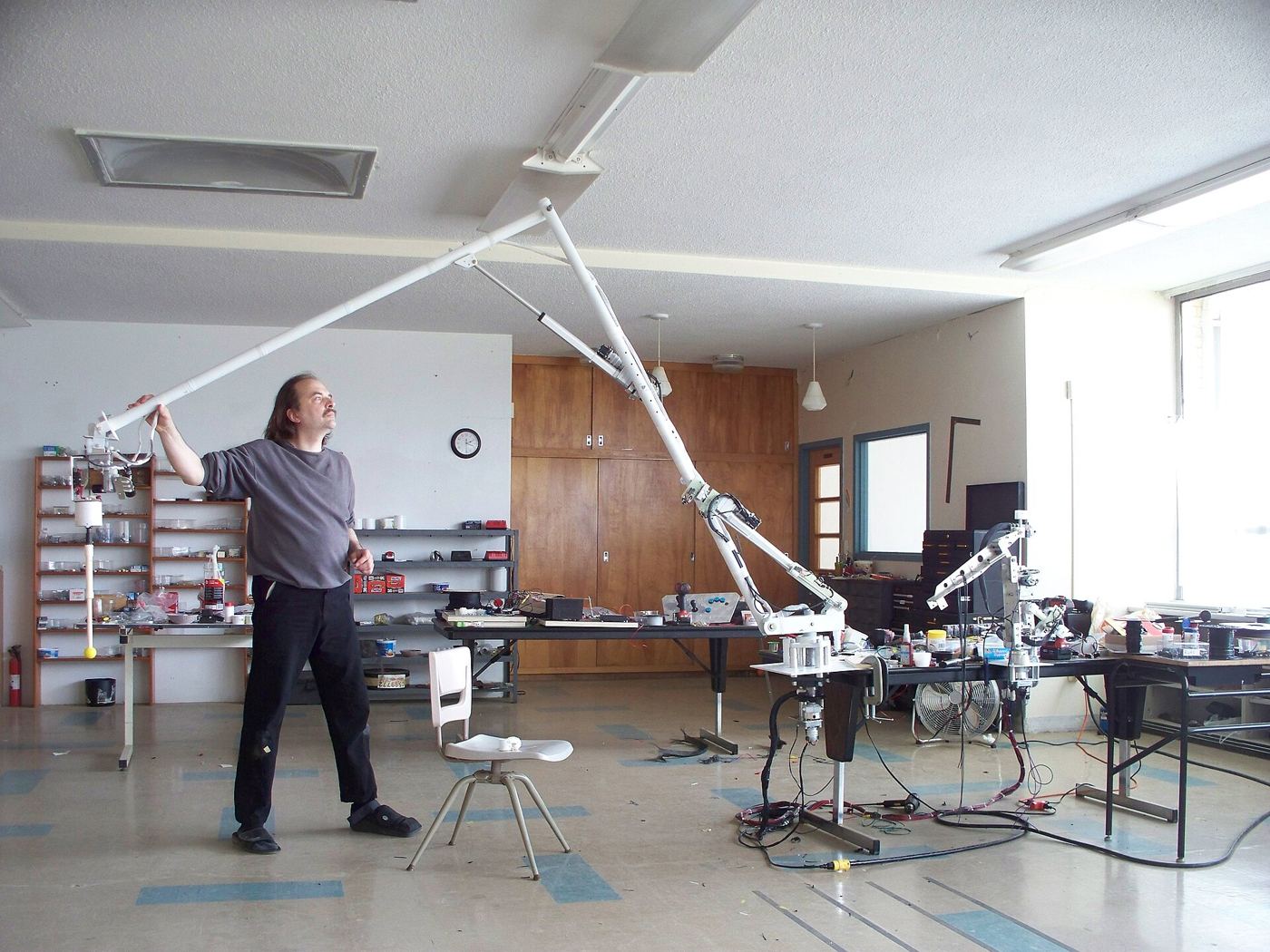
Google DeepMind has announced Gemini Robotics 2.5, its most capable vision-language-action model for robots, on 10 November 2026. The system lets a robot understand spoken instructions, look at its surroundings and then carry out physical tasks such as picking up objects and placing them where they belong. Vision-language-action models combine a language model with cameras and motors, so the robot can reason about what it sees before it moves. DeepMind describes Gemini Robotics 2.5 as its strongest version yet, with better handling of new objects and unfamiliar rooms. The company also released an open-source safety benchmark called ASIMOV-Jailbreak, designed to test whether a robot can be tricked into doing something unsafe through cleverly worded instructions. The company says the model can handle objects it has never seen before, a skill that matters in homes where no two rooms look alike.
What the Evidence Shows
The release matters because robots that work in homes, warehouses and hospitals must cope with messy, unpredictable places rather than the tidy factory floors of older machines. A robot that can understand a request like clearing a table needs to recognise each object, decide the order to move them, and adapt when something slips. DeepMind says the new model is more reliable at that kind of general task, and the safety benchmark is meant to give researchers a shared way to measure the risk of prompt attacks on physical robots. The work follows a busy year for robotics, with several labs racing to put language models into robot bodies. The next challenge is proving that these systems are safe and dependable enough to leave a laboratory and work beside people every day. Reporting and analysis from sources such as IEEE Spectrum track the same developments, and specialists following the Gemini Robotics 2.5 model say the direction is now consistent across independent lines of evidence.
The Wider Context
Adoption of the Gemini Robotics 2.5 model follows a familiar pattern with an unfamiliar speed. Early users tolerate rough edges in exchange for advantage, mainstream users arrive when the tool disappears into existing workflows, and the market consolidates around whoever made that transition feel effortless. Vendors are racing less on raw performance now than on integration, support and trust.
What Happens Next
The realistic forecast for the Gemini Robotics 2.5 model is steady integration rather than sudden replacement: embedded in products people already use, improving in increments, and regulated in proportion to its reach. The companies and institutions that plan on that basis, training staff and redesigning processes instead of chasing launches, are the ones the adoption data tends to vindicate. You can follow related developments in our coverage of technology.
It is also worth remembering how quickly the picture in this area has changed before. Positions that looked settled a few years ago have been revised as new data arrived, and the same humility is appropriate now. The strongest coverage of this subject, and the most useful advice, tends to come from sources that update their views openly when the facts move, rather than defending an earlier position long after it has stopped fitting the evidence available.
